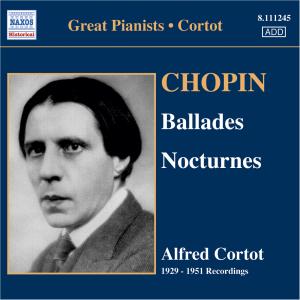
Cortot Vol.5:Ballades & N
Rubinstein, Arthur
Genre: Classical
CD | 1 disc(s) | Release: 14-02-2007
Verwachte levertijd (in NL): +/- 7 tot 15 werkdagen
Bestel- en levertijd
De getoonde levertijden (met uitzondering van In Stock-items) zijn enkel en alleen een gemiddelde op basis van de eerdere prestaties van achterliggende groothandels, distributeurs, labels en fabrieken.
Indien er geen voorraad is bij de Nederlandse distributeur/label/fabriek, dan kan het soms enkele weken duren! Dit betreft dan vaak een landelijke situatie.
BELANGRIJK: Om u een zo'n aantrekkelijk mogelijk verzendtarief/bezorgtarief te kunnen bieden, proberen wij orders van meerdere artikelen zoveel mogelijk gebundeld te versturen. Een deellevering is zeker mogelijk, maar over het algemeen is de algehele levertijd gelijk aan de levertijd van het artikel met de langste bestel- en levertijd! Neem dus gerust eerst contact met ons op indien u een deadline heeft. Wij kijken dan meteen of dit haalbaar is!*
ACTIE: 3% korting bij elke bestelling van min. 3 artikelen

Extra info
| Extra info: | W/Alfred Cortot |
|---|---|
| Maatschappij: | Outhere |
| Label: | Naxos |
| Barcode: | 0747313324521 |
| Suffix - prefix: | 8111245 |
| Taal: | EN |
| Herkomst: | Holland |
| Genre (extra): | Piano |
Beschrijving
Alfred Cortot (piano)
78 rpm recordings - volume 5
In glorious tone quality, drama, visionary intensity and sheer poetry, few pianists have ever surpassed Cortot. This CD is a treat, if you don't mind wrong notes, and includes two totally different interpretations of the Nocturne Op. 9 No. 2.
Chopin:
Ballade No. 1 in G minor, Op. 23
Ballade No. 2 in F major, Op. 38
Ballade No. 3 in A flat major, Op. 47
Ballade No. 4 in F minor, Op. 52
Nocturne No. 2 in E flat major, Op. 9 No. 2
Nocturne No. 4 in F major, Op. 15 No. 1
Nocturne No. 5 in F sharp major, Op. 15 No. 2
Nocturne No. 7 in C sharp minor, Op. 27 No. 1
Nocturne No. 15 in F minor, Op. 55 No. 1
Nocturne No. 16 in E flat major, Op. 55 No. 2
"This fifth and final release of Cortot's 78rpm Chopin recordings is surely the jewel in the crown. Here, the 1929 rather than the more familiar 1933 set of the Ballades blazes with a passion, brilliance and poetic audacity that set the pulses racing and the mind reeling. Here is a great artist who seized the opportunity to achieve ever greater heights of eloquence and rhetorical verve. Superbly restored by Mark Obert-Thorn, every performance is charged with a heady and consuming poetry that confirms Daniel Barenboim's claim that 'Cortot discovered the opium in Chopin'. Take the First Ballade's opening, where Cortot is every inch the bardic poet, free, rhapsodic and inimitable; or hear him in the Presto con fuoco storms of the Second Ballade, where he plays as if pursued by the furies of hell. Again, even when inaccuracies fly in all directions in the heat of the chase, no other pianist has approached the Third Ballade's central C sharp minor turbulence with such daring or recreative force. Cortot was never one to hold back in the interests of decorum and in the Fourth Ballade he stretches the parameters of Chopin's poetry to the very edge, his playing close to being consumed in its own ecstasy. His selection of Nocturnes (sadly his projected Chopin survey was never completed) pulse with the same alluring quality, suggesting the reverse of Rubinstein's more patrician elegance. True, for today's more antiseptic and 'tasteful' practitioners such artistic conviction and originality will seem extravagant or even camp. Yet there is surely no living pianist who could or would attempt to emulate such heart-stopping poetry. Maria Callas herself would have been among the first to pay tribute to Cortot's cantabile, an unequalled 'singing' at the piano."
Gramophone - Classical Music Guide 2010
Aanbevolen





Recent bekeken


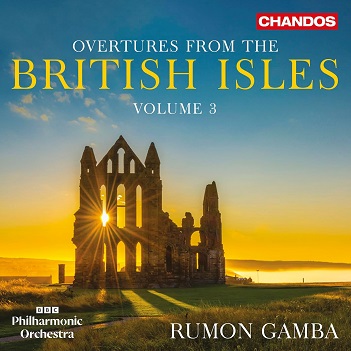
Overtures From the British Isles Vol. 3
Gamba, Rumon & Bbc Philharmonic Orchestra
CD
Classical
€ 21,95
Details